
Taboo Wagner? Jewish Perspectives
Exhibition on Wagner's Antisemitism


Richard-Wagner-Stätten Graupa
Tschaikowskiplatz 7
01796 Pirna OT Graupa
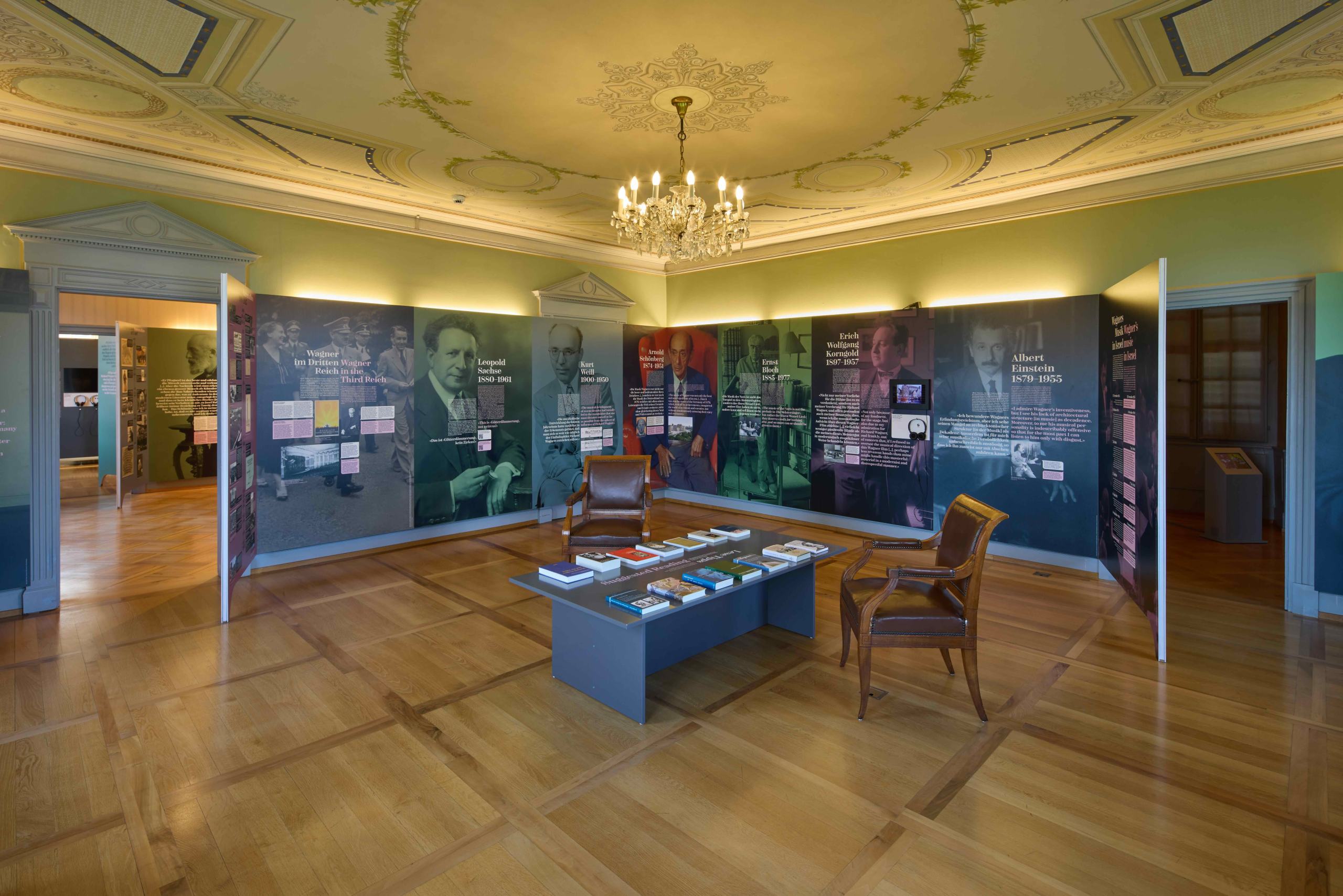
From consistent rejection to devoted adoration: Richard Wagner is probably the most controversial composer of the 19th century. One important reason for this is his anti-Semitism. Hardly any other topic relating to Wagner has been as well researched as his relationship with Judaism. In the special exhibition "Taboo Wagner? Jewish Perspectives" looks at his anti-Semitism from a different angle: How did and does Wagner affect Jews? How did and do they deal with his hostility towards Jews? Is his work therefore a taboo? The Richard Wagner Museum Lucerne and the Richard Wagner Sites Graupa address these questions. The aim of the exhibition is to visualise Jewish positions from almost 200 years - and to show the complexity of this ambivalent topic.
Curation: Dr Franziska Gallusser (Richard Wagner Museum) and Tom Adler (Richard Wagner Sites Graupa).
Accessibility at the event
 Barrier-free access
About the organiser
In the summer of 1846, opera history was written in the village of Graupa near Dresden. A three-month summer holiday brought Richard Wagner, Kapellmeister at the Royal Court Theatre in Dresden, now the Semperoper, to Graupa.