
The Traveller
Melodrama about flight and expulsion, hope and love

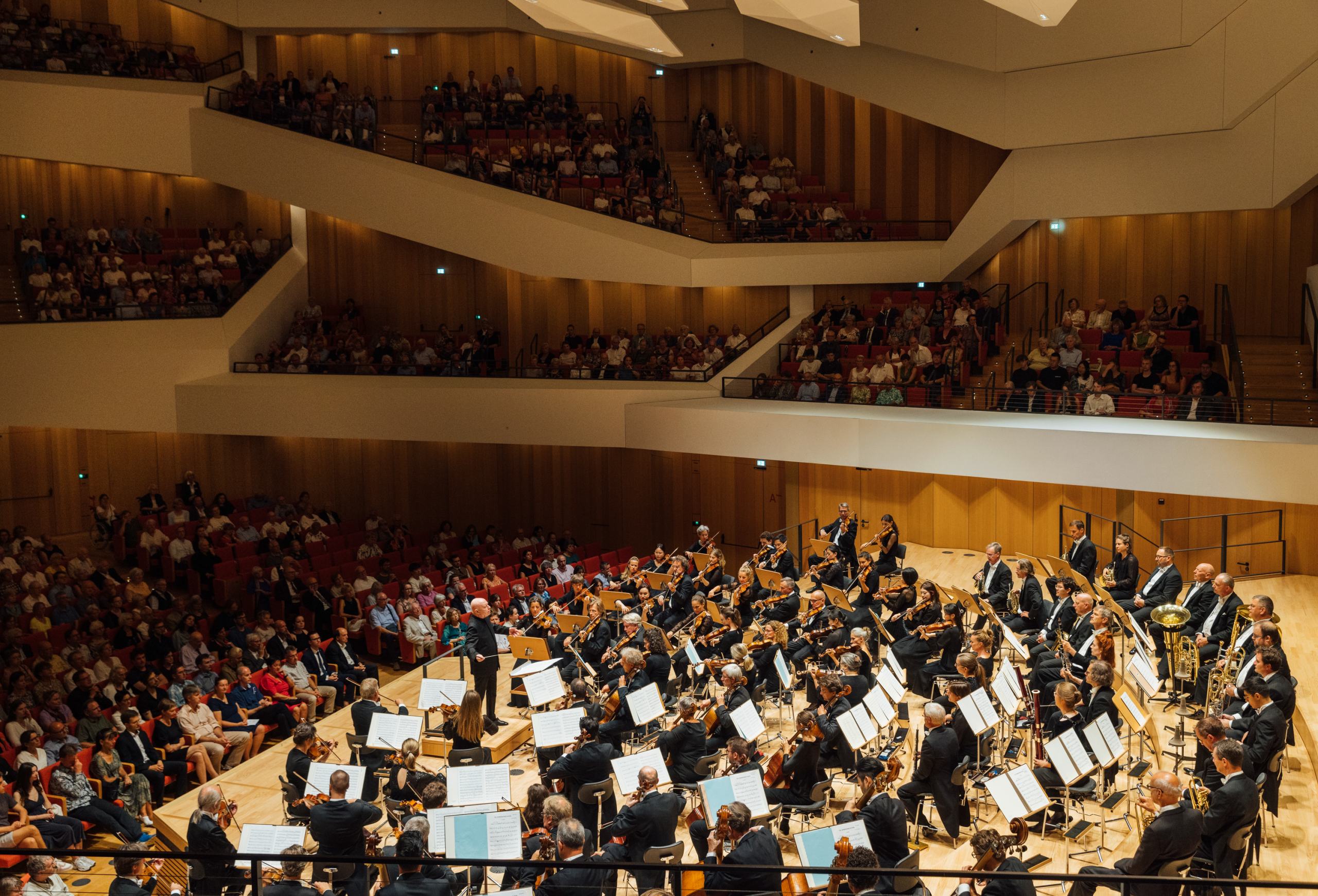
Kulturpalast Dresden
Schloßstraße 2
01067 Dresden
In a unique project, the Dresden Philharmonic Orchestra is bringing literature and music together on Remembrance Day on 9 November 2025. The basis for the work by composer Jan Müller-Wieland is the novel "The Traveller" by Jewish author Ulrich Alexander Boschwitz from 1938, whose rediscovery in 2018 was celebrated as a minor literary sensation. Today, it is considered one of the most important literary testimonies of the Nazi era. The Jewish businessman Otto Silbermann is at the centre of the story. After the November pogroms of 1938, he faces ruin and flees - mostly by train - across Germany. His wife Elfriede fights desperately to save what can still be saved, while their son still dreams of a better life in Paris. A brother-in-law who twists with the wind and the harsh reality of persecution and betrayal define their days. Müller-Wieland has created a powerful melodrama for narrator, soloists, choir, orchestra and soundtrack.
Der Reisende
In a unique project, the Dresden Philharmonic Orchestra is bringing literature and music together on Remembrance Day on 9 November 2025. The basis for the work by composer Jan Müller-Wieland is the novel "The Traveller" by Jewish author Ulrich Alexander Boschwitz from 1938, whose rediscovery in 2018 was celebrated as a minor literary sensation. Today, it is considered one of the most important literary testimonies of the Nazi era.
The Jewish businessman Otto Silbermann is at the centre of the story. After the November pogroms of 1938, he faces ruin and flees - mostly by train - across Germany. His wife Elfriede fights desperately to save what can still be saved, while their son still dreams of a better life in Paris. A brother-in-law who twists with the wind and the harsh reality of persecution and betrayal define their days.
Müller-Wieland has created a powerful melodrama for speakers, soloists, choir, orchestra and soundtrack, which not only illuminates the dark sides of violence and injustice, but also the hope, longing and humanity that find their place even in the greatest despair. Ulrich Noethen and Birgit Minichmayr can be heard in the speaking roles, and several choirs also take part. Gergely Madaras conducts the Dresden Philharmonic Orchestra. The performance takes place as part of the ‘80 Years of the End of the Second World War’ programme.
Tickets at tickets.dresdnerphilharmonie.de
Accessibility at the event
Induction loops for the hearing impaired
 Barrier-free access
About the organiser
The Dresden Philharmonic Orchestra, the concert orchestra of the Saxon state capital, characterises Dresden's cultural life with over 80 concerts every year.